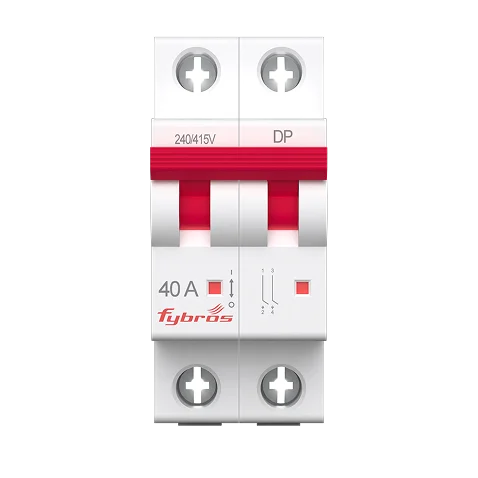
Switchgear is the combined name for the electrical apparatus used to switch, control, and protect an electrical power system. The switchgear definition adopted by IEC and Indian standards covers circuit breakers, switches, fuses, isolators, relays, current and voltage transformers, busbars, and the metal enclosures that house them.
Put simply, if a device is responsible for energizing a circuit, de-energizing it, isolating it for maintenance, or breaking it under fault, that device is electrical switchgear. The job of these devices is to keep healthy parts of a network running while removing faulty parts quickly enough that nothing else gets damaged.This explanation also helps clarify the Function of Switchgear, which is to control, isolate, and protect electrical circuits under both normal and fault conditions.
When an engineer says "power system protection and switchgear," they are referring to this combined function: switching plus protective intelligence. Modern switchgear electrical systems are not just mechanical disconnects. They are coordinated systems of sensing, decision-making, and tripping that keep people and assets safe.
India's installed electrical capacity has crossed historic milestones, rooftop solar is now common in tier-2 cities, EV charging is being retrofitted into older buildings, and three-phase loads are appearing in homes that once ran on a single-phase connection. Every one of these shifts increases the burden on switchgear.
A panel installed in 2010 was likely sized for incandescent lighting, ceiling fans, and a refrigerator. The same panel today is asked to handle inverter ACs, induction cooktops, fast EV chargers, and bidirectional solar flows. Without modern switchgear, that panel is one fault away from a disaster.
This is why so many Indian homeowners, electricians, builders, and industrial buyers are reassessing the switchgear in their facilities. Understanding what switchgear is in electrical systems is no longer optional knowledge for property owners.
The components of switchgear vary with voltage class and application, but a typical assembly will include several of these elements.
Circuit breakers form the heart of any setup. They sense overcurrent and short-circuit conditions and break the circuit automatically. In low-voltage applications, this is the familiar MCB. In larger systems it can be an MCCB, ACB, higher-capacity circuit breakers used in industrial and infrastructure applications
Fuses are still widely used as cost-effective short-circuit protection, especially in LT systems feeding industrial motors. HRC fuses and rewirable kit-kat fuses are common in Indian factories and workshops.
Isolators, also called disconnectors, provide a visible off-load break for maintenance. They are not designed to break load current. Their job is to physically separate a section of the switchgear so technicians can work safely.
Switches and changeover switches let operators transfer load between sources, typically between the utility supply and a backup generator or solar inverter.
Protective relays, current transformers, and voltage transformers turn raw electrical signals into intelligence that tells breakers when to operate.
Busbars and enclosures tie everything together. The enclosure is the metal housing that protects components from dust, moisture, and accidental contact, while also protecting people from live parts.
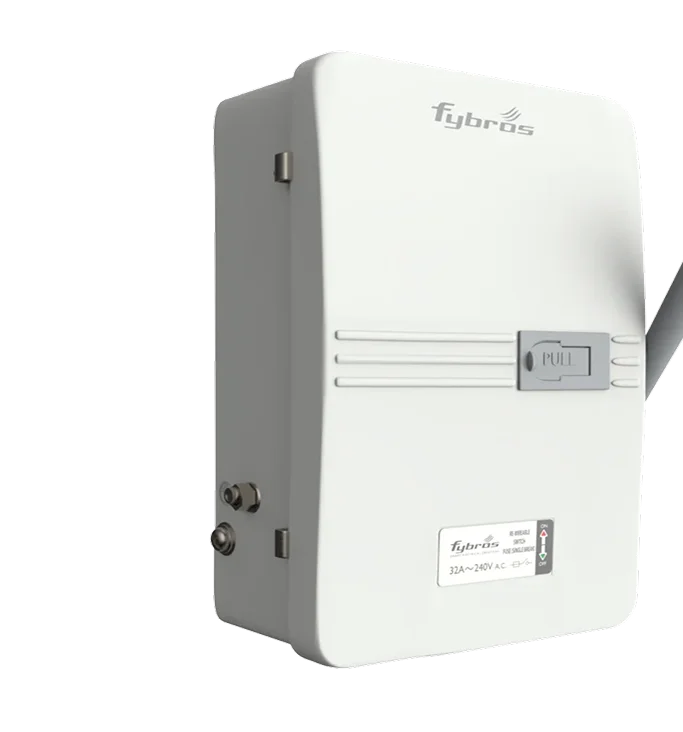
Switchgear is generally classified based on the voltage level at which it operates. Understanding these categories helps explain how electricity travels from power generation stations to the equipment used in homes, offices, commercial buildings, and industrial facilities.
Low Voltage Switchgear operates at voltages up to 1000 V AC and represents the final layer of protection, switching, and power distribution before electricity reaches end users.
This category includes products such as MCBs, RCCBs, MCCBs, Isolators, Changeover Switches, Distribution Boards, and Busbar Chambers. These devices help protect electrical installations against short circuits, overloads, overcurrent conditions, and earth leakage faults while supporting safe switching and power distribution.
Low Voltage Switchgear is widely used across residential buildings, commercial spaces, offices, hospitals, educational institutions, and industrial facilities. This is also the segment where Fybros offers a comprehensive portfolio of protection, switching, and distribution solutions designed for Indian operating conditions.
Medium Voltage Switchgear is typically used in systems operating between 1 kV and 36 kV. These installations are commonly found in industrial facilities, commercial complexes, hospitals, and utility distribution networks where power is distributed before being stepped down for end-use applications.
High Voltage Switchgear is used in transmission networks, power generation facilities, and utility substations operating above 36 kV. These systems help control and protect large-scale power transmission infrastructure before electricity reaches distribution networks and end users.
In Indian electrical installations, LT or Low Tension Switchgear refers to systems operating below 1000 V. This is the level at which electricity is distributed within homes, commercial buildings, offices, and industrial facilities.
LT Switchgear performs three important functions:
Common LT Switchgear products include MCBs, RCCBs, MCCBs, Isolators, Changeover Switches, Distribution Boards, and Busbar Chambers.
This is the segment where Fybros offers a comprehensive portfolio of protection, switching, and distribution solutions designed for Indian operating conditions.
A switchgear panel is the engineered enclosure that brings components together into a single controllable unit. Industrial switchgear panels can be incomer panels, feeder panels, motor control centers (MCCs), power control centers (PCCs), or auto main failure (AMF) panels.
For residential and small commercial use, the most common form of panel is the distribution board (DB), a wall-mounted enclosure with an incomer breaker, RCCB, and outgoing MCBs for individual circuits. Fybros distribution boards are built in single-phase, three-phase, and phase-selector configurations for Indian wiring practice.
Switchgear and control systems are not just about breaking circuits. They are about breaking the right circuit at the right time. That is the protection philosophy behind modern protection switchgear systems.
Overcurrent protection trips the circuit when the load draws more current than the rating. Short-circuit protection acts in milliseconds when a fault produces hundreds of times the normal current. Earth-leakage protection, delivered by RCCBs, trips when a small amount of current is leaking to the ground, usually because a person has touched something live.
These three protection functions are layered across the switchgear. The incoming MCB protects the whole installation, the RCCB protects against shock, and the outgoing MCBs protect individual circuits. The design principle is called "discrimination" or "selectivity." Only the breaker closest to the fault should operate, leaving the rest of the system live.
A switchgear panel is the engineered enclosure that brings components together into a single controllable unit. Industrial switchgear panels can be incomer panels, feeder panels, motor control centers (MCCs), power control centers (PCCs), or auto main failure (AMF) panels.
For residential and small commercial use, the most common form of panel is the distribution board (DB), a wall-mounted enclosure with an incomer breaker, RCCB, and outgoing MCBs for individual circuits. Fybros distribution boards are built in single-phase, three-phase, and phase-selector configurations for Indian wiring practice.
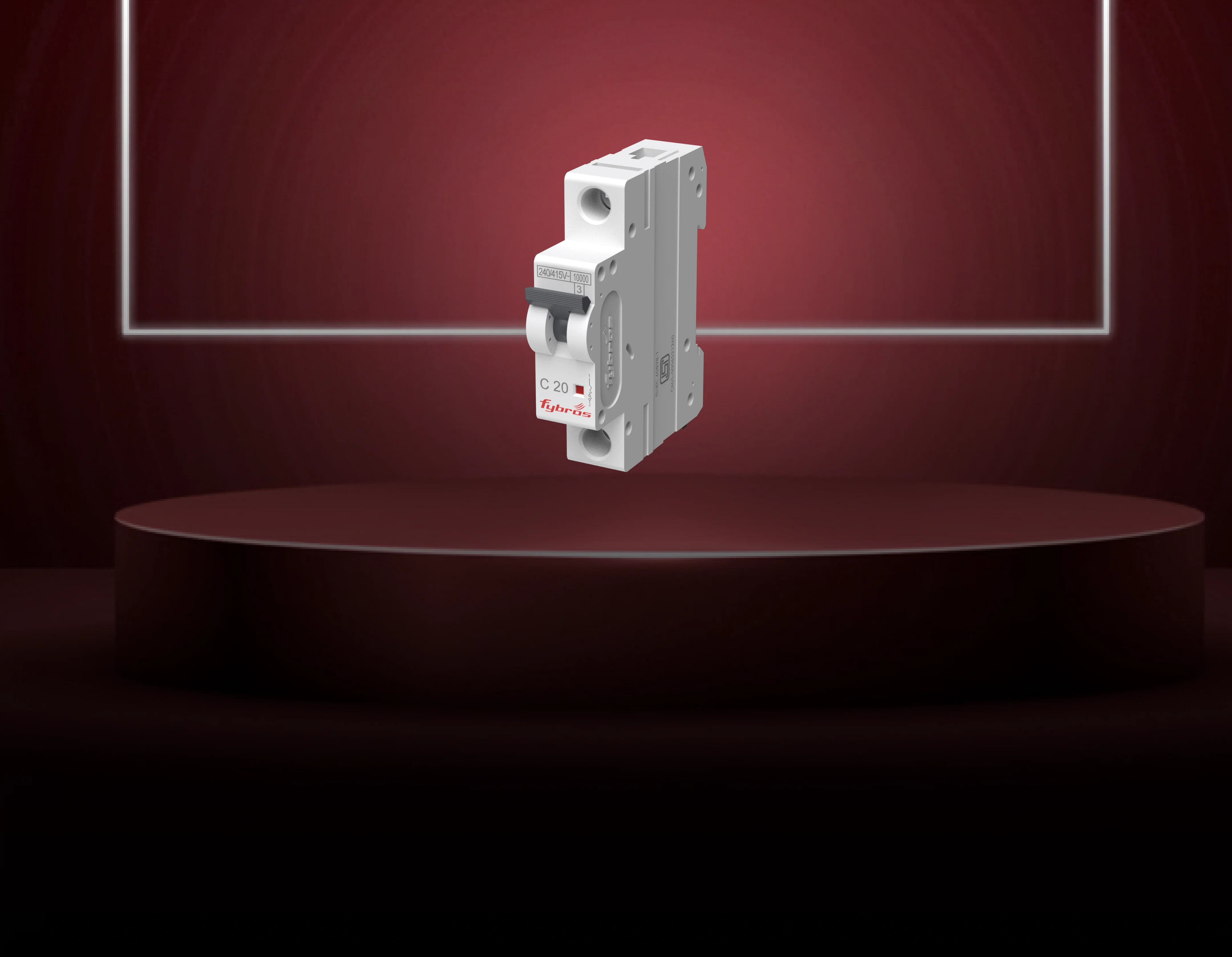
Switchgear and control systems are not just about breaking circuits. They are about breaking the right circuit at the right time. That is the protection philosophy behind modern protection switchgear systems.
Overcurrent protection trips the circuit when the load draws more current than the rating. Short-circuit protection acts in milliseconds when a fault produces hundreds of times the normal current. Earth-leakage protection, delivered by RCCBs, trips when a small amount of current is leaking to the ground, usually because a person has touched something live.
These three protection functions are layered across the switchgear. The incoming MCB protects the whole installation, the RCCB protects against shock, and the outgoing MCBs protect individual circuits. The design principle is called "discrimination" or "selectivity." Only the breaker closest to the fault should operate, leaving the rest of the system live.
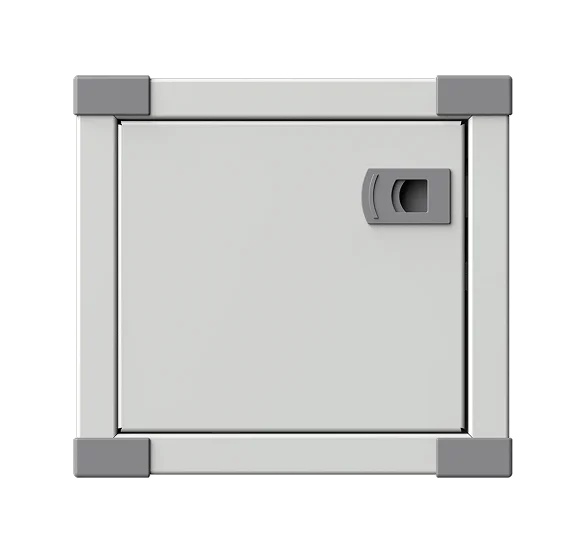
Industrial facilities depend on reliable switchgear to protect equipment, maintain operational continuity, and improve electrical safety.
Protection devices help safeguard circuits against short circuits, overloads, overcurrent conditions, and earth leakage faults, while switching devices support safe isolation and power transfer operations.
In industrial environments, properly selected Low Voltage Switchgear products help reduce downtime, improve equipment protection, and support long-term reliability.
Protection, switching, and distribution remain the foundation of every safe industrial electrical installation.
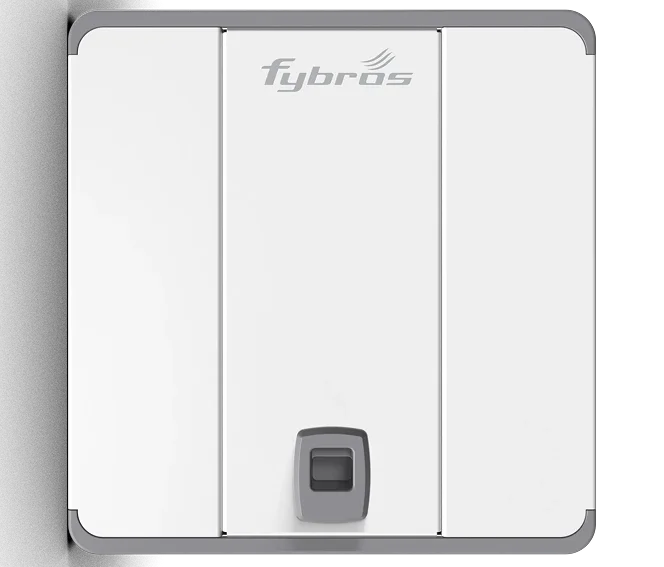
Whether you are specifying switchgear for a home or a factory, certain features separate genuinely safe equipment from cheap imitations.
Adequate breaking capacity is non-negotiable. The switchgear must be able to interrupt the maximum fault current that can flow at its location. For Indian homes, that typically means a 6 kA breaking capacity for MCBs. For industrial systems, 10 kA and above are common.
Compliance with Indian standards, including IS/IEC 60898 for MCBs, IS/IEC 61009 for RCBOs, and IS/IEC 61008 for RCCBs, should be verified and not assumed. Certified electrical switchgear manufacturers clearly list the standard, breaking capacity, and rated current on their products.
Mechanical robustness, terminal quality, contact metallurgy, and arc-extinguishing design all influence how the switchgear performs after years of operation in Indian humidity and dust. This is where reputed switchgear manufacturers in India stand apart from unbranded products.
The Indian switchgear market spans a wide range of residential MCB manufacturers. Growth in the market has also increased the number of electrical switchgear suppliers, making product evaluation and standards verification more important than ever.
Switchgear companies in India broadly fall into three categories: global brands that import or assemble premium equipment, large Indian electrical groups with full product portfolios, and specialist manufacturers focused on narrower categories. Fybros sits in the second group as a trusted switchgear company in India with products including MCBs, RCCBs, isolators, changeover switches, distribution boards, and wider electrical infrastructure.
The selection process should be driven by the load and the environment, not by price alone. A homeowner specifying switchgear for a new flat should ask the electrician about the total connected load, the type of MCB curves needed for inductive loads, RCCB sensitivity, and whether the distribution board has space for future circuits.
An industrial buyer specifying switchgear for a factory will go further with short-circuit studies, panel ingress protection class, and compliance with the latest IEC and Indian standards.
In every case, the principle is the same. Switchgear is the last line of defense between an electrical fault and the people and equipment relying on the supply. Choosing well, installing carefully, and maintaining regularly is the difference between switchgear that lasts twenty years and switchgear that fails when you need it most.
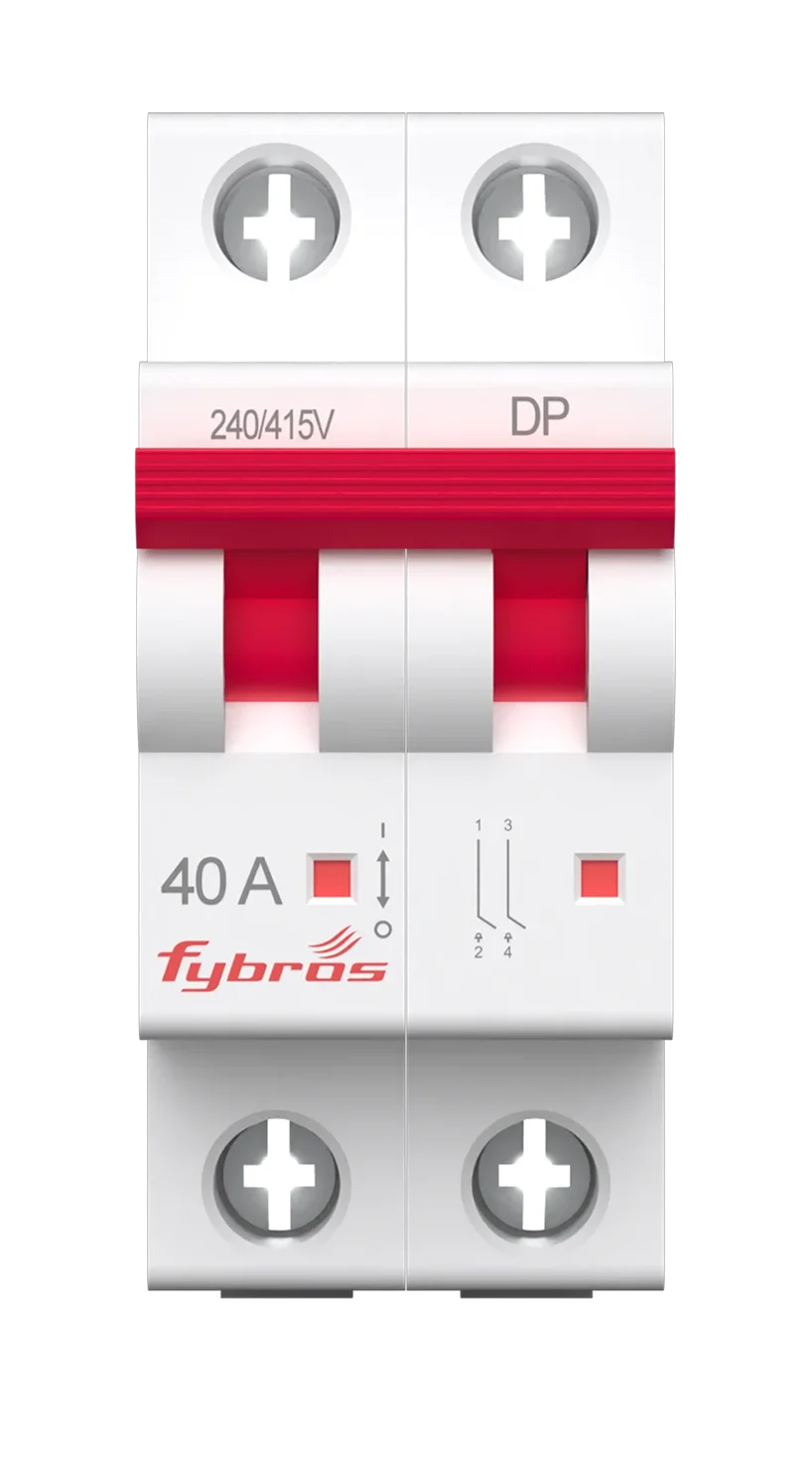
Fybros offers a comprehensive low-voltage switchgear portfolio designed to support residential, commercial, and industrial applications.
Protection Solutions:
These devices help protect electrical systems against short circuits, overloads, overcurrent conditions, and earth leakage faults.
Switching Solutions:
These products support safe switching and isolation of electrical circuits.
Distribution Solutions:
These systems help distribute power safely while improving organization, accessibility, and maintenance efficiency.
Together, these solutions support the protection, switching, and distribution requirements of modern electrical installations.
Fybros is a switchgear manufacturing company that grew out of decades of experience in Indian wires and cables. The vertical integration matters because the same engineering culture that builds heat-rated copper cables for Indian summers also builds the switchgear that those cables feed.
The Fybros portfolio is designed for Indian conditions, including dust ingress, voltage fluctuations, humid coastal installations, high ambient temperatures, and the wiring practices of Indian electricians. Products are tested for the breaking capacities and endurance cycles required by Indian standards, not just minimum compliance levels. Regular Switchgear Maintenance and proper installation further ensure that these products deliver long-term performance throughout their service life.
Whether you need a single MCB for a home renovation or a full set of distribution boards for a new commercial project, the Fybros range covers the LT switchgear stack end to end and is backed by a national dealer network that makes switchgear genuinely accessible across India.
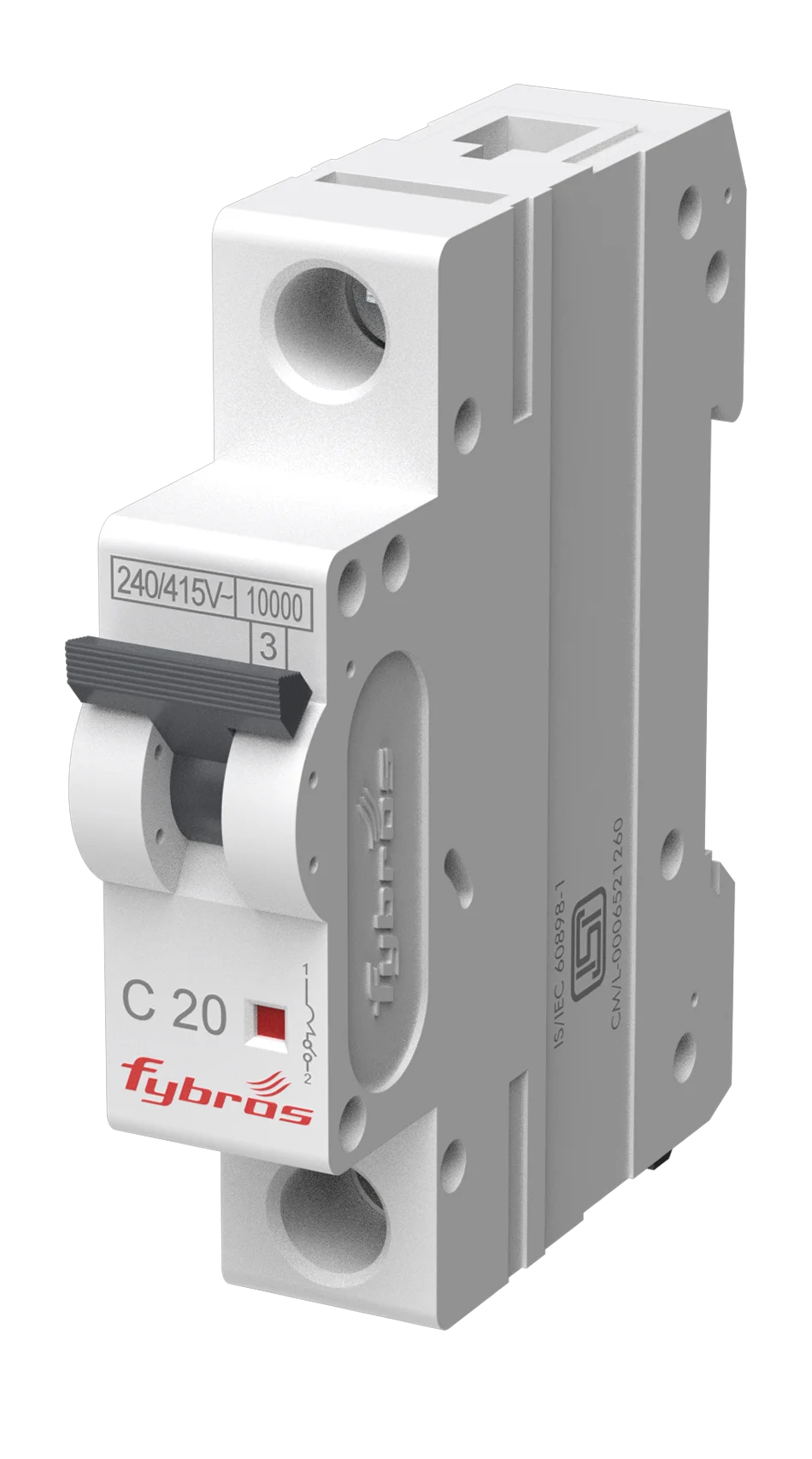
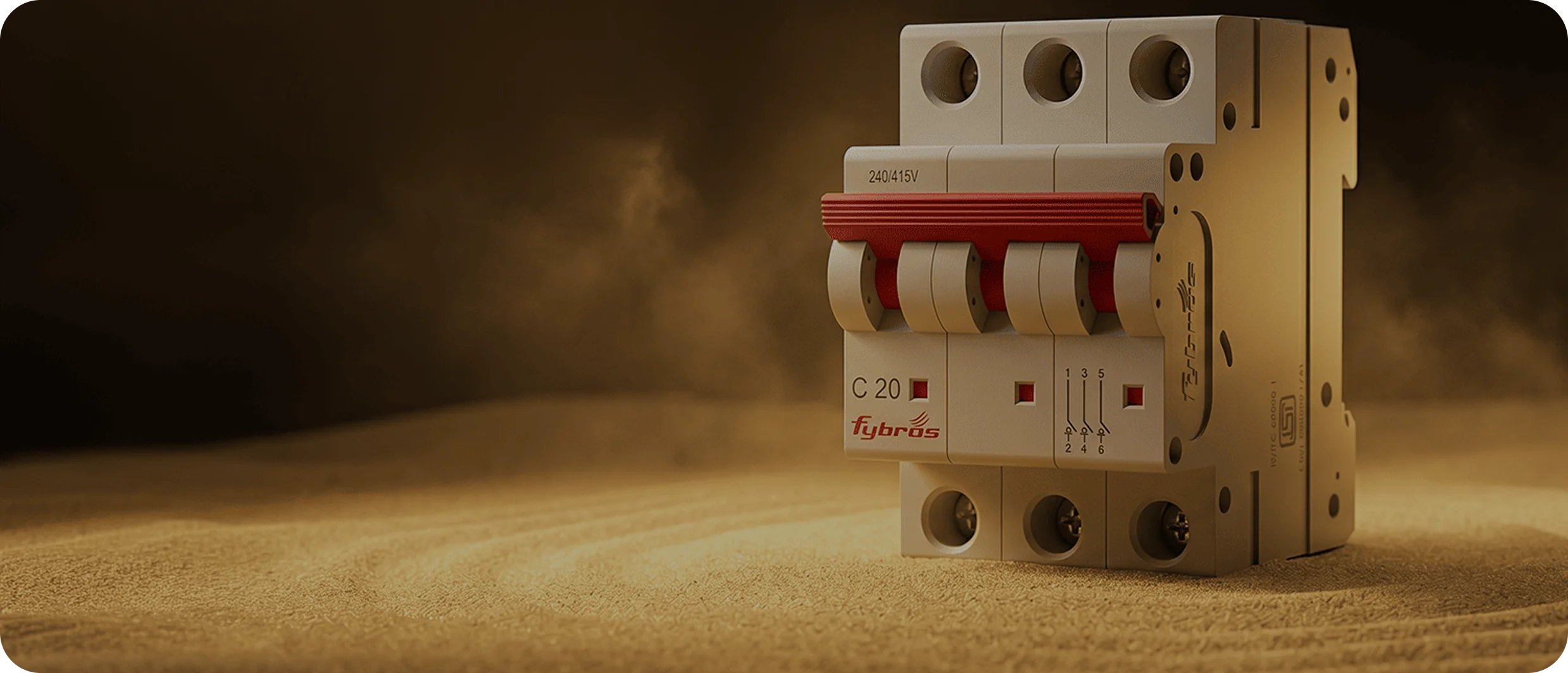
Switchgear is one of those subjects that rewards depth. The more you understand the switchgear components, the protection logic, and the standards, the better the decisions you make, whether you are signing off on the electrical specification for a new home, approving a factory upgrade, or stocking products as a dealer.
Use this guide as your reference. Bookmark the linked articles on specific switchgear types, panels, maintenance, and protection. And when it comes time to specify switchgear that has to perform reliably in Indian conditions, talk to a company that has built its name in this market.
Fybros has spent decades earning that trust. The switchgear you install today is the safety system you live with for the next twenty years, so make it count.
Switchgear is one of those subjects that rewards depth. The more you understand the switchgear components, the protection logic, and the standards, the better the decisions you make, whether you are signing off on the electrical specification for a new home, approving a factory upgrade, or stocking products as a dealer.
Use this guide as your reference. Bookmark the linked articles on specific switchgear types, panels, maintenance, and protection. And when it comes time to specify switchgear that has to perform reliably in Indian conditions, talk to a company that has built its name in this market.
Fybros has spent decades earning that trust. The switchgear you install today is the safety system you live with for the next twenty years, so make it count.

 Fans
Fans
 Switches & Accessories
 Led Lighting
 Wires & Cables
 Switchgear