
 Fans
Fans
 Switches & Accessories
 Led Lighting
 Wires & Cables
 Switchgear
How to Choose the Right Bell Switch for Your Home
Overview
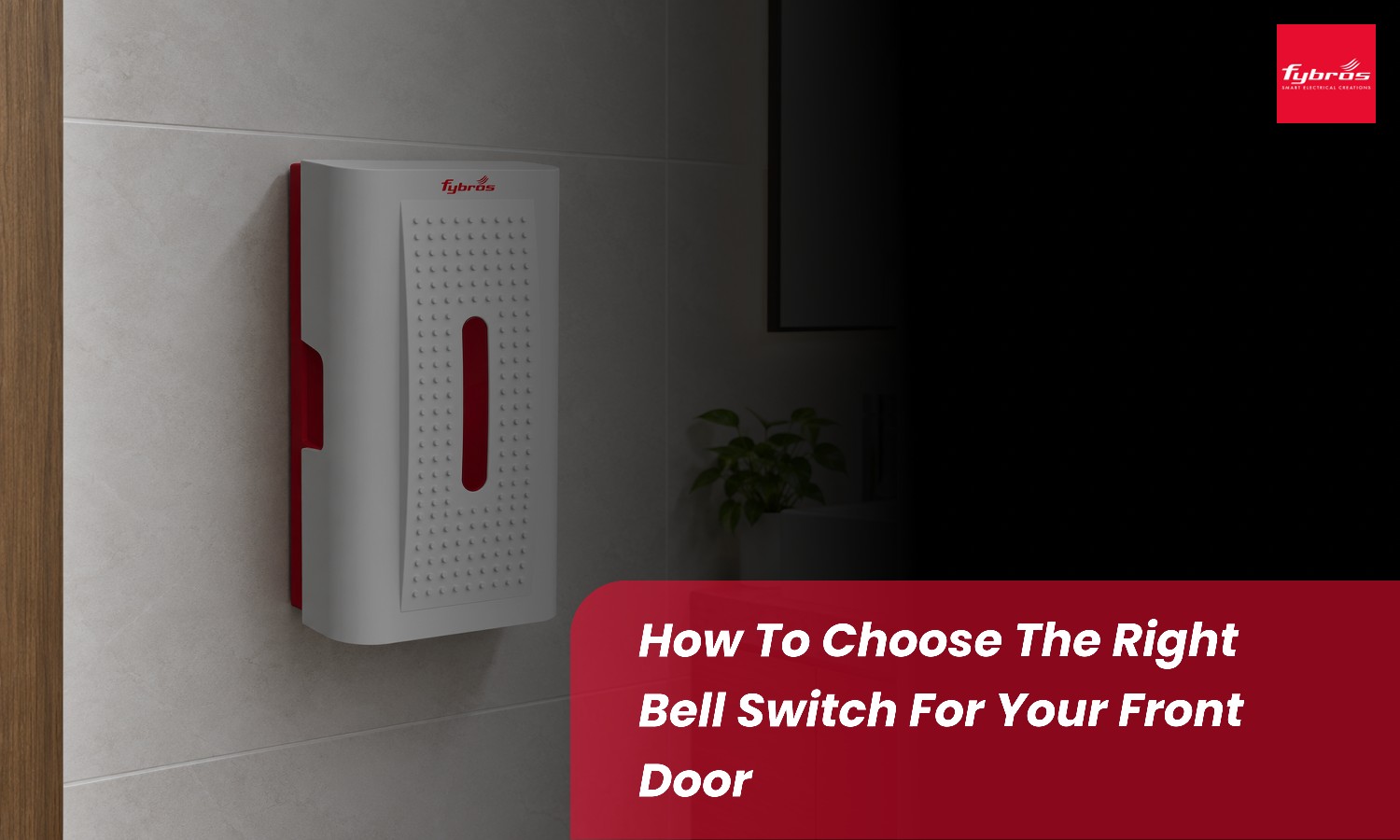
A bell switch is the push button that rings a doorbell when a visitor presses it. It comes as a simple push, a modular button that sits in your switch plate, or a plug-in chime unit. Choosing one is about the location, the look and the type of chime you want.
It is the smallest switch in the house and the one guests use first. A doorbell button may look trivial, but a sticky button or a weak chime is a daily irritation, and a good one just works every time. This page covers the types, where each fits and how to pick a button and a chime that suit your door and your décor, without any fuss.
The choice is simple once you split it into two parts, the push at the door and the chime inside. Get both right and you never think about the doorbell again.
What is a Bell Switch?
A bell switch is a momentary push button. Unlike a normal light switch that stays on, it only makes contact while you press it, then springs back. That brief press completes the circuit and sounds the chime inside the house. A bell push switch at the door and a chime unit indoors are the two halves of every doorbell, and the button is the part visitors actually touch, so it needs to feel solid and reliable.
Types of Bell Switch
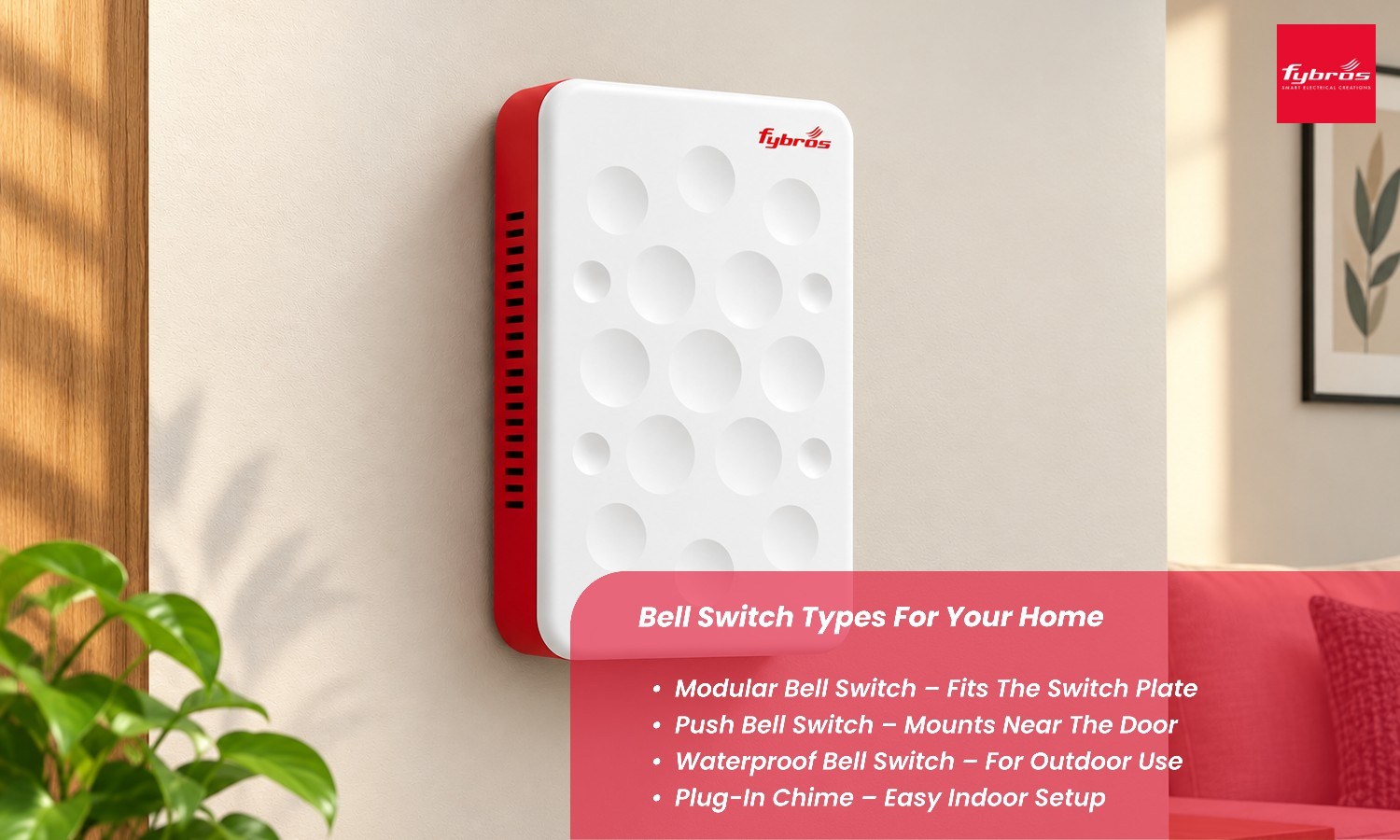
There are a few common forms. A modular door bell switch fits neatly into your existing switch plate alongside the light switches, giving a clean, matching look. A standalone push bell switch mounts on its own near the door frame. For the chime itself, a plug-in ding-dong or musical bell simply plugs into a socket and rings when the button is pressed. A weatherproof button is worth choosing for an outer door, since an ordinary electric bell switch exposed to rain can fail over time.
Choosing the Button
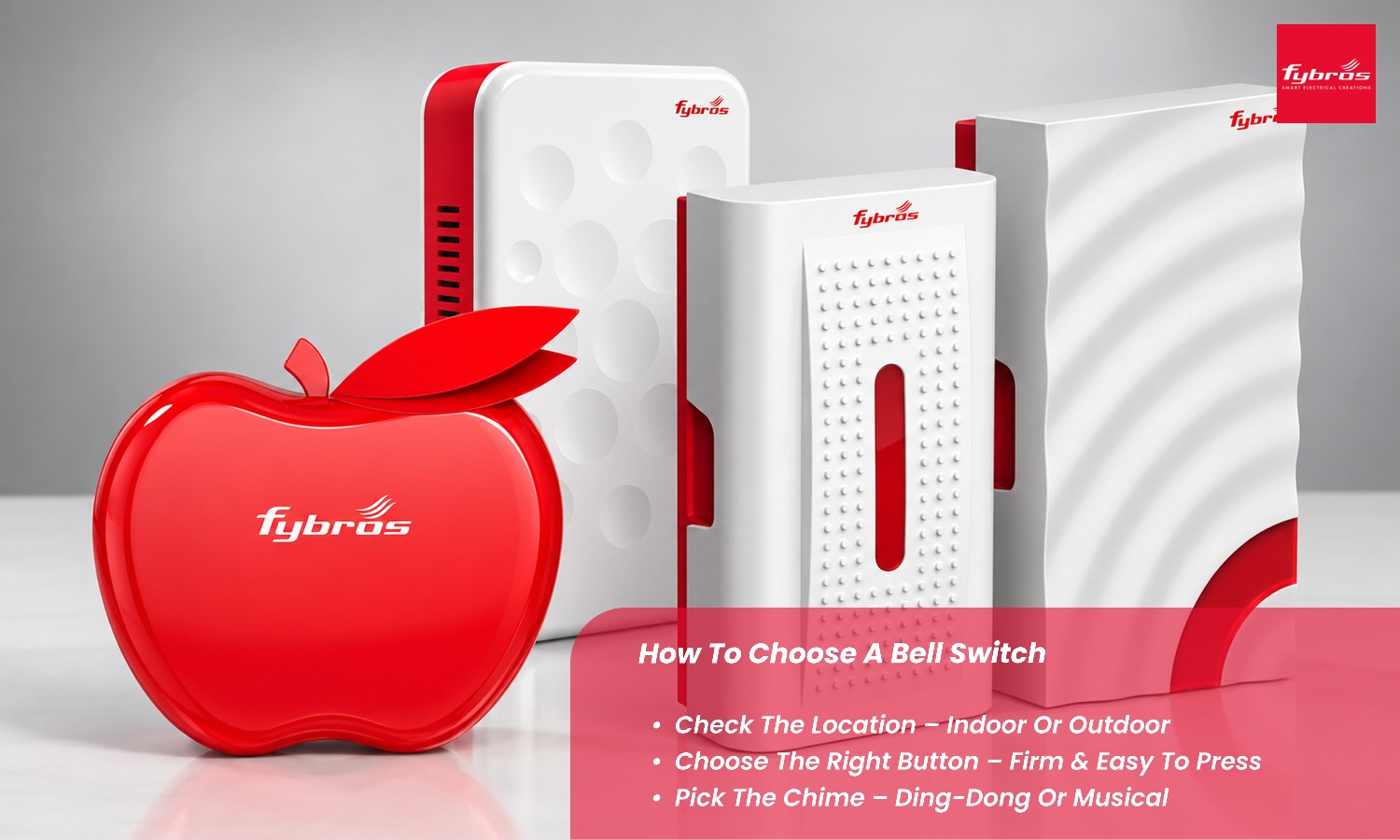
The button is where quality shows. Look for a firm, positive press that clicks and springs back cleanly, since a mushy button is the first thing to fail. A modular bell switch that matches your plate keeps the entrance tidy, while a lit button helps visitors find it at night. If the switch sits outside and can catch rain or splashes, a waterproof bell switch or a covered button keeps the contacts safe. A well-made bell button switch should give years of daily presses without sticking.
Choosing the Chime
The chime sets the character of the doorbell. A simple ding-dong is clear and familiar, while musical and stereophonic chimes offer a longer, richer tune. Many homes in India also like devotional tunes for the chime. A plug-in unit is the easiest to fit, since it needs no wiring beyond the button, and it can be moved to wherever it is heard best. Match the loudness to the size of the home so the chime carries from the door to the far rooms.
Wiring and Placing the Button
A doorbell is one of the simplest circuits in a home. A low-voltage or mains button at the door connects to the chime unit, and pressing it completes the circuit for as long as you hold it. Placement matters more than people think. Fix the button at a comfortable height beside the main door, clear of direct rain, and put the chime where it carries to the living areas and the kitchen. For an outer gate, run the button on a protected line and choose a sealed cover so moisture cannot reach the contacts. As part of a modular accessory set, a step-type fan regulator and other modules can share the same plate, keeping the whole board neat.
For anything wired to the mains, let an electrician make the final connection. It is quick work on a ready point, but a clean, safe joint is what keeps the button working for years of daily presses.
Where Fybros Fits In
Fybros Modular, a name trusted since 1968, makes bell push switches across its modular ranges, so a bell switch can match the rest of your plate rather than standing out. It also offers a range of chimes, from plug-in ding-dong bells to musical bells with devotional tunes, so you can pair a neat button at the door with a chime you like inside. Because the button and the plate come from one brand, the entrance keeps a clean, matched look.
FAQs
1. What is a bell switch?
A bell switch is the push button that rings a doorbell. It is a momentary switch, which means it only works while pressed and springs back when released. That short press sounds the chime inside the house, so the button at the door and the chime indoors together make up the complete doorbell.
2. Can a bell switch fit in my normal switch plate?
Yes. A modular door bell switch is made to fit the same plate as your light switches, so it sits neatly alongside them with a matching look. This is the tidiest option for most homes, since it avoids a separate box near the door and keeps the whole switch plate consistent.
3. How much does a bell switch cost?
A bell switch price is among the lowest of any switch, since a simple push button is inexpensive. A plug-in chime unit costs a little more depending on if it is a plain ding-dong or a musical bell. Even together, a button and a chime remain an affordable part of any switchboard.
KEY TAKEAWAYS
-
A bell switch is a momentary push button that rings the chime only while it is pressed.
-
A modular door bell switch fits your existing plate for a clean, matching look.
-
Choose a firm, positive button, and a weatherproof one if it sits outside.
-
Pick a chime, plain ding-dong or musical, to suit the size and style of your home.
-
Fybros makes bell push switches and a range of chimes, so the door and the plate can match.
Upgrading a tired doorbell or wiring a new one? See the Fybros range of bell push switches and chimes and pick a neat button and a chime that suit your door. Visit fybros.com or ask your nearest Fybros dealer for the right match.