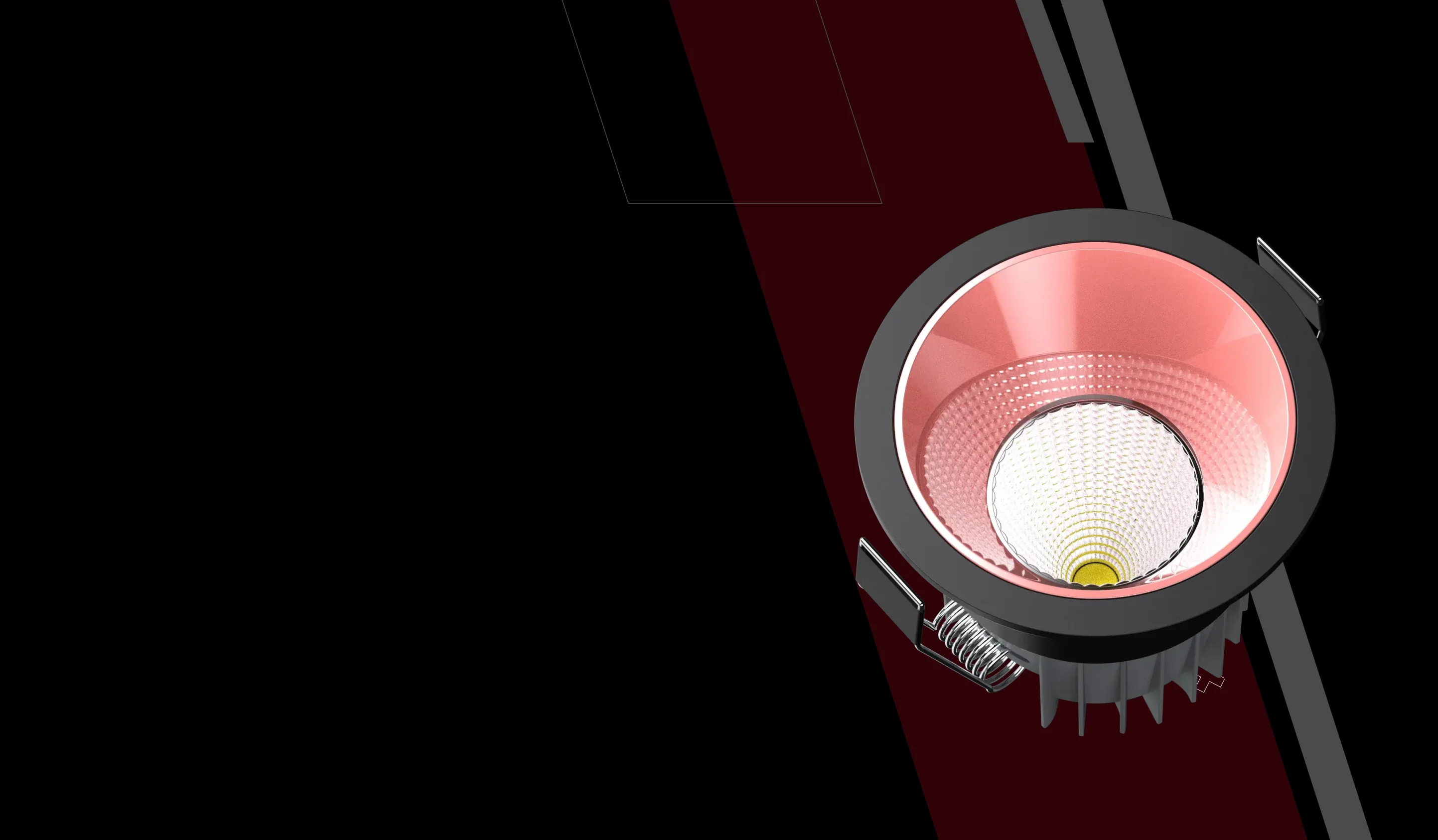
An LED light is a fitting built around a light-emitting diode, which turns electricity into bright light with very little heat. The right choice depends on the format, the colour temperature and the wattage, matched to each space, from ceiling panels and downlights to strips, floods and outdoor fittings.
So what is an LED light? The idea is simple. LED stands for light-emitting diode, a tiny semiconductor that gives off light when electricity passes through it. An LED light is any fitting built around one or more of these diodes instead of a hot filament or a gas-filled tube. When people ask what is a LED light , this is really the answer, a light that runs cool and lasts for years. That is why you now find it in everything from a small night lamp to a stadium flood light.
Because the light source is so small, it can be shaped into almost any form. One technology gives us slim ceiling panels, pinhole spotlights, metre-long strips and heavy outdoor fittings. Once you see that a single light-emitting diode can be packaged in countless shapes, the whole category falls into place. The rest comes down to picking the right shape for the right job.
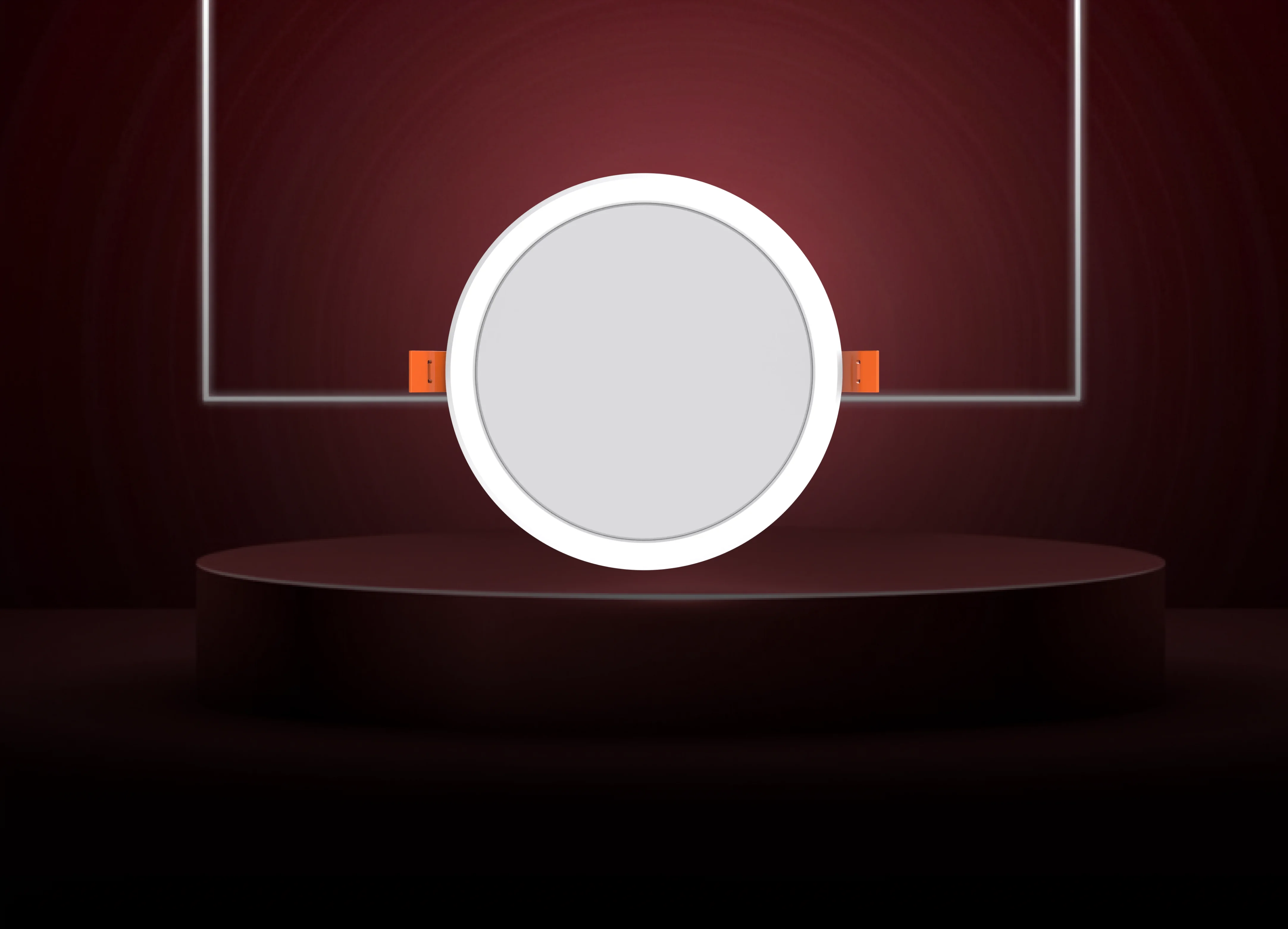
So what is an LED light? The idea is simple. LED stands for light-emitting diode, a tiny semiconductor that gives off light when electricity passes through it. An LED light is any fitting built around one or more of these diodes instead of a hot filament or a gas-filled tube. When people ask what is a LED light, this is really the answer, a light that runs cool and lasts for years. That is why you now find it in everything from a small night lamp to a stadium flood light.
Because the light source is so small, it can be shaped into almost any form. One technology gives us slim ceiling panels, pinhole spotlights, metre-long strips and heavy outdoor fittings. Once you see that a single light-emitting diode can be packaged in countless shapes, the whole category falls into place. The rest comes down to picking the right shape for the right job.
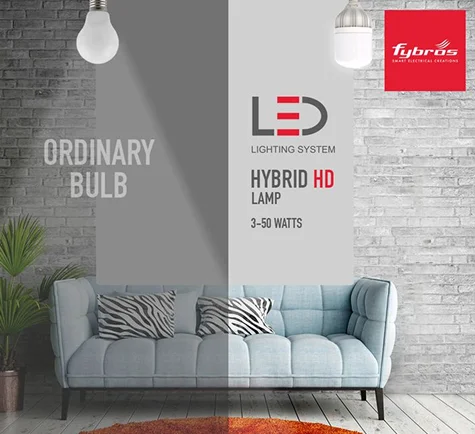
People expect how does LED work to have a complicated answer, and it does not. Two specially treated layers of material sit inside the diode. When current crosses the junction between them, energy is released straight away as light, with almost none wasted as heat. Older bulbs did the opposite, making heat first and light almost by accident, which is why they always ran so hot.
That difference is the whole reason to switch. An LED light turns far more of its power into visible light, so it draws fewer watts for the same brightness and keeps going for years. The way an LED makes light explains its efficiency, and for choosing a fitting the takeaway is short. Bright light, very little heat and a long working life.
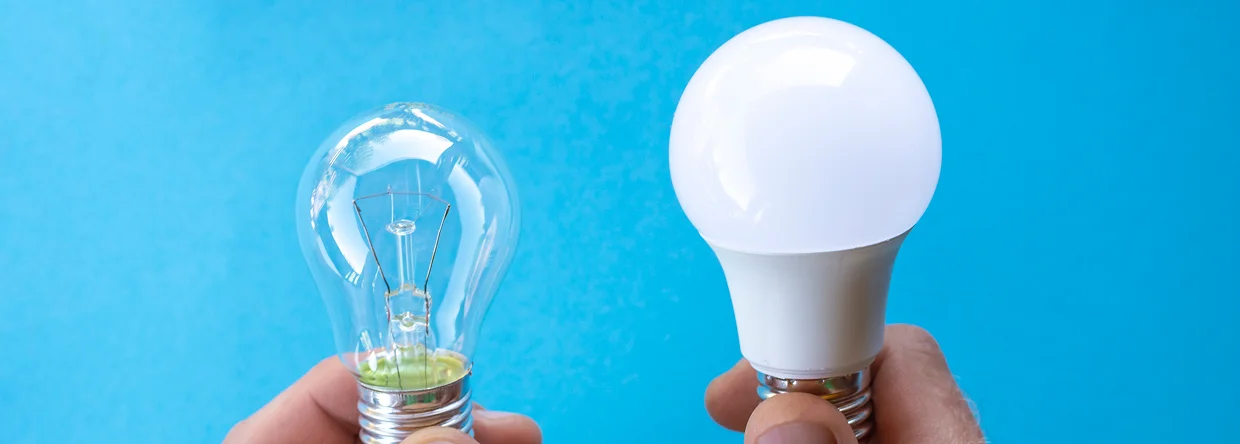
Many families still ask the same thing at the shop, tube light vs LED bulb, which is better. On the numbers that matter, it is not a close call. An LED fitting uses far less power than the bulb it replaces, often up to seventy five percent less, and it lasts much longer. A good one is rated for roughly 25,000 to 50,000 hours, which is years of normal evening use before it starts to fade.
Heat is the other common worry, often from someone who once burned a hand on an old halogen lamp. So does LED light produce heat? A little, right at the diode, but far less than the old bulbs. A good fitting uses a metal body to move that heat away, so the surface stays much cooler than any filament bulb. Less heat means a safer light and a longer life, and it is a big reason the old tube light is leaving new homes.
Once you accept that an LED fitting can take any shape, the choices start to make sense. Below are the full range of LED formats that most homes and businesses actually use, and each one does a different job. Together they cover the common types of LED lights you will meet while planning a room.
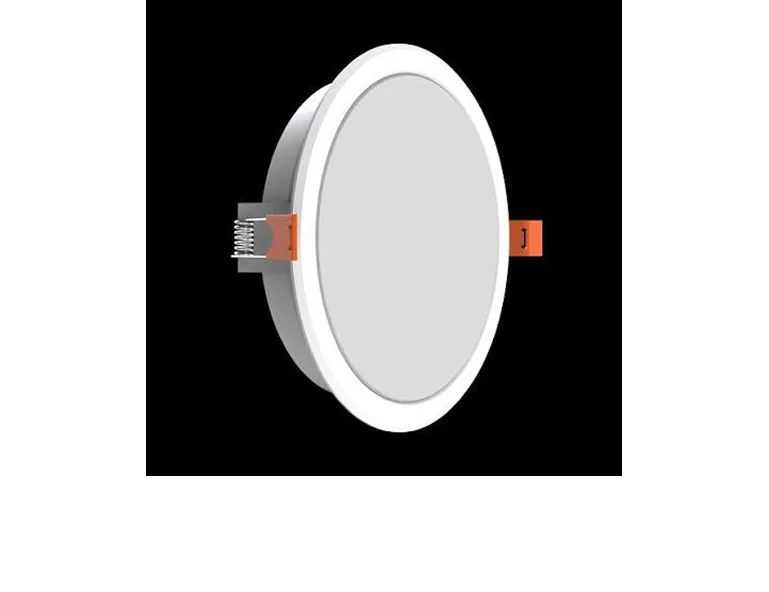
Flat, even ceiling lights that sit flush in a false ceiling. A slim LED panel light is the workhorse of modern homes and offices.
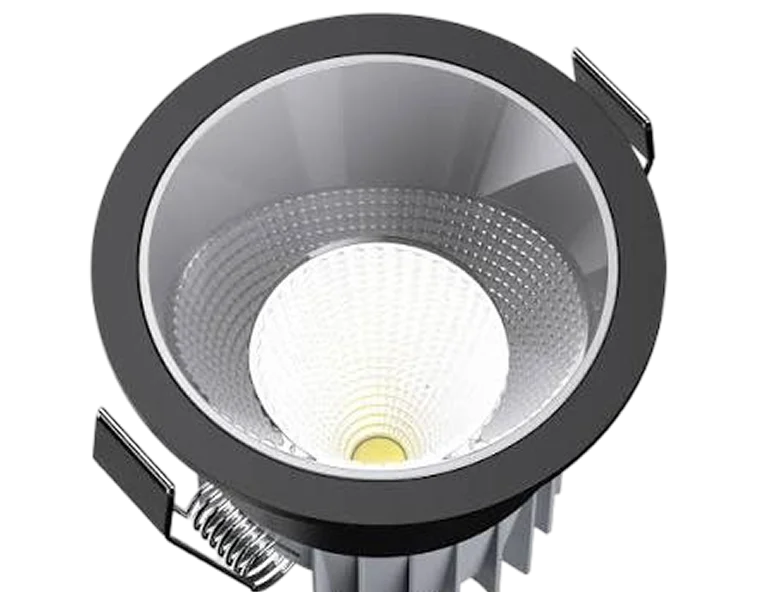
Recessed pools of light set into the ceiling. A downlight gives clean, glare-controlled illumination for living rooms, kitchens and corridors.
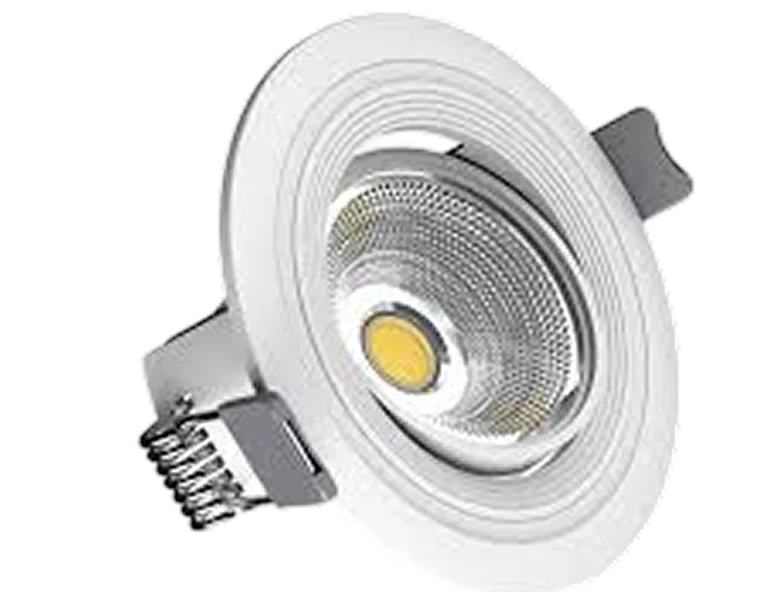
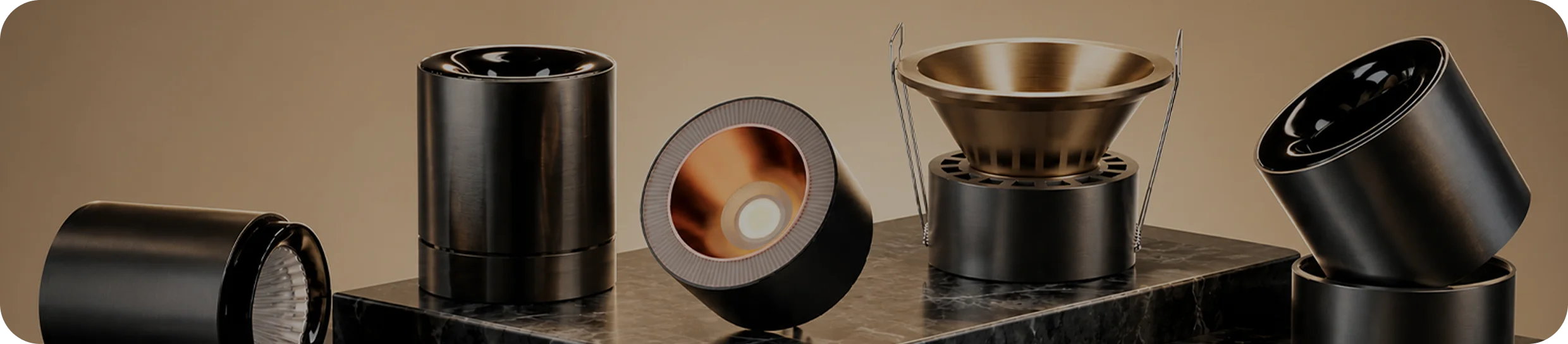
A COB LED light packs many diodes into one bright chip, used in premium downlights and spotlights where a crisp, concentrated beam matters.
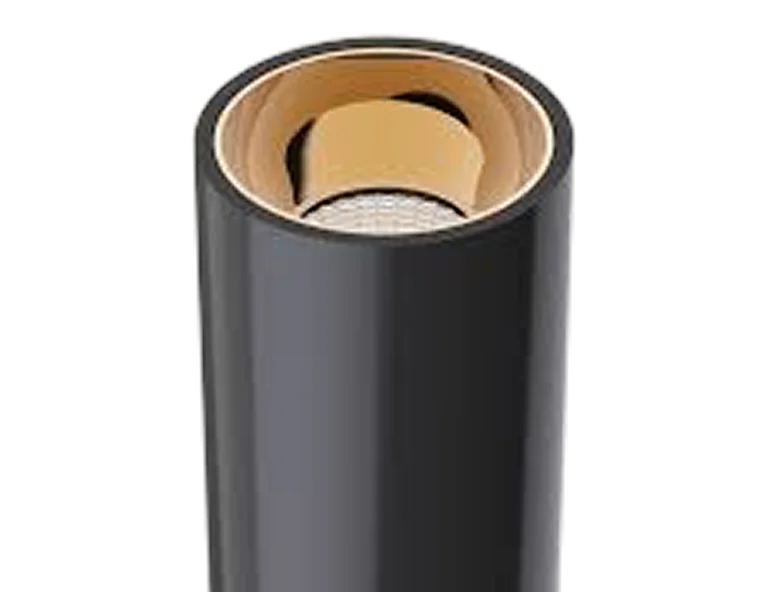
A spotlight LED throws a tight beam to highlight art, a feature wall or a product display.
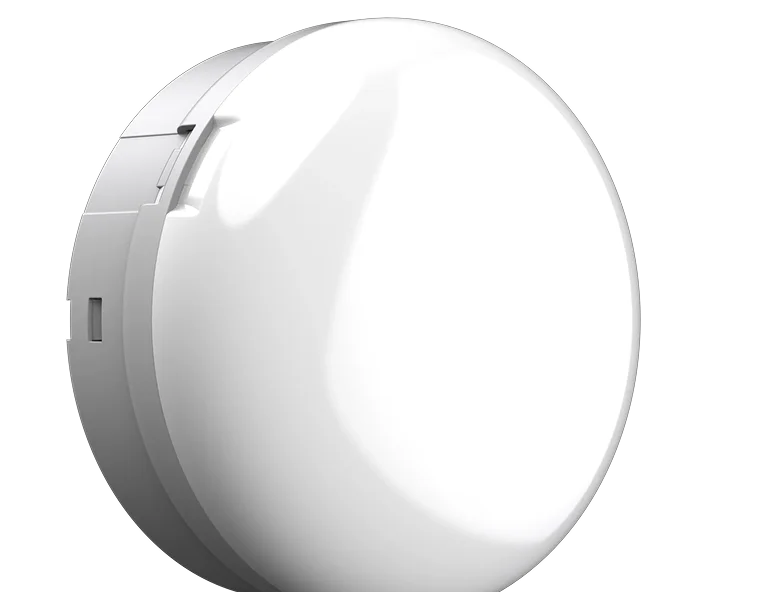
A surface LED light mounts onto the ceiling when there is no room to recess a fitting, common in older homes and rented flats.
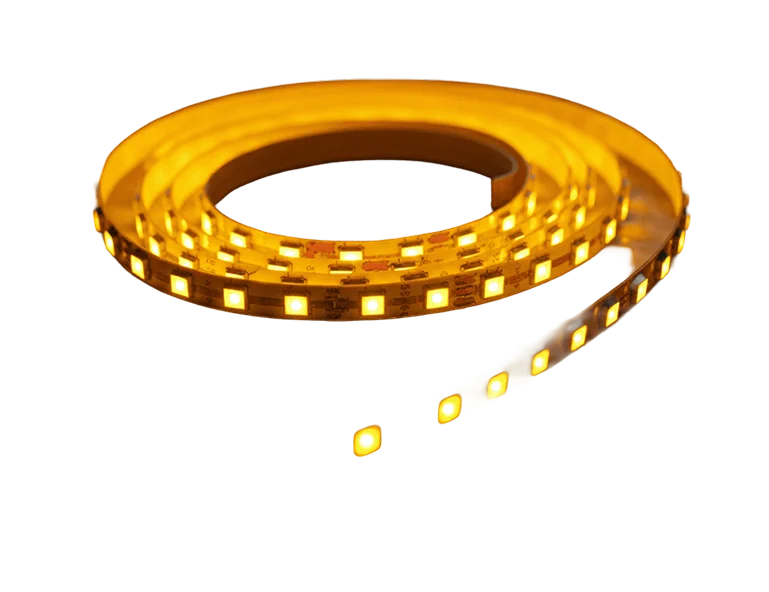
A flexible LED strip light hides in coves, under cabinets and behind panels for a soft, indirect glow. Sold as reels, these LED light strips run on a small driver.
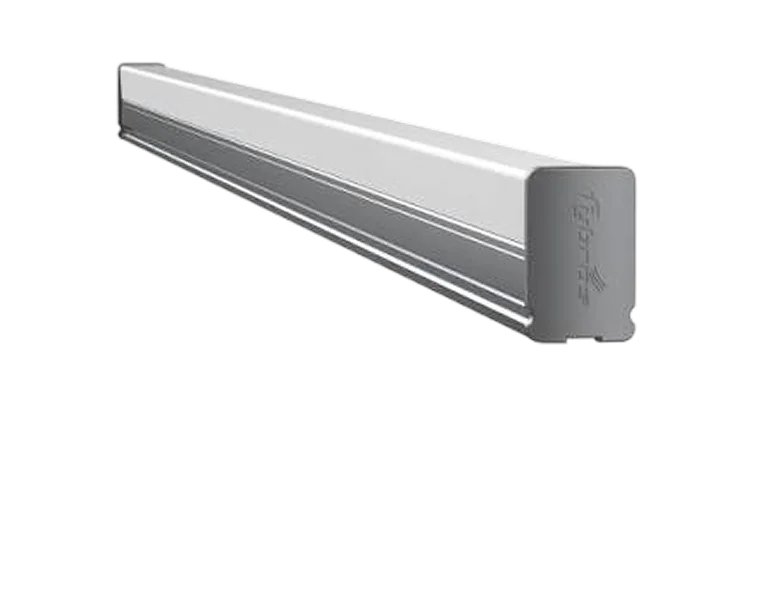
Long, bright and practical. These replace the old tube light in kitchens, garages and shops.
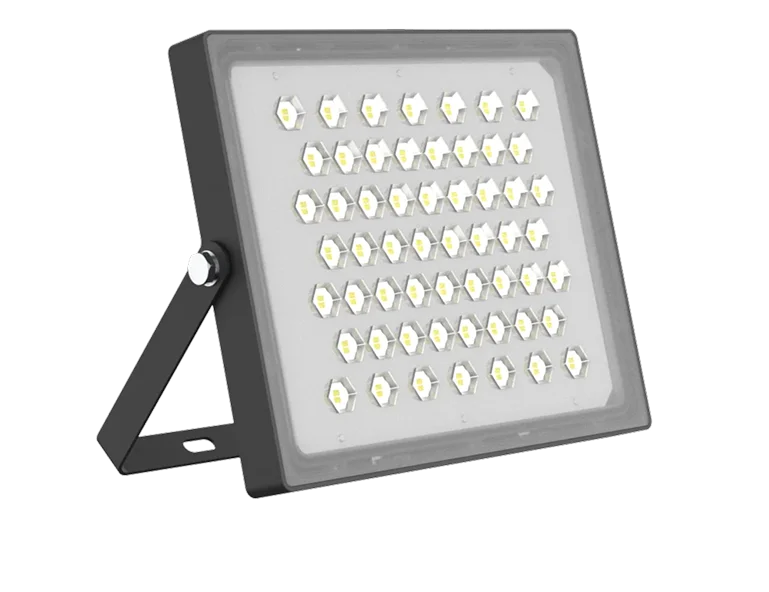
A powerful LED flood light washes a large area, while gate, wall and bulkhead fittings handle entrances and facades.
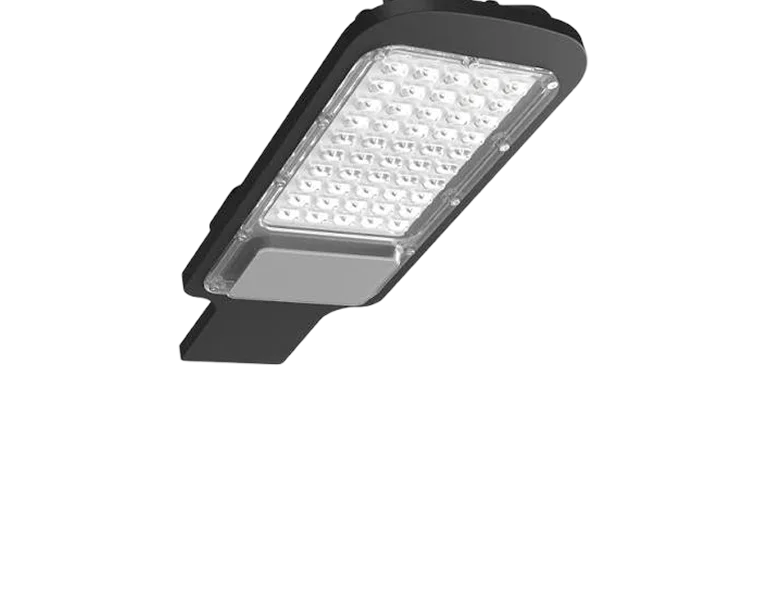
A rugged LED street light and high-bay fittings light roads, campuses and factory floors.
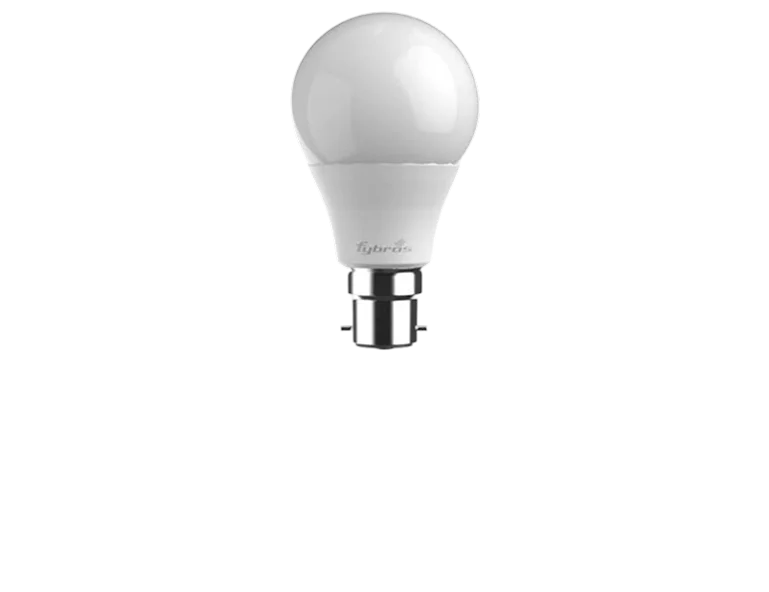
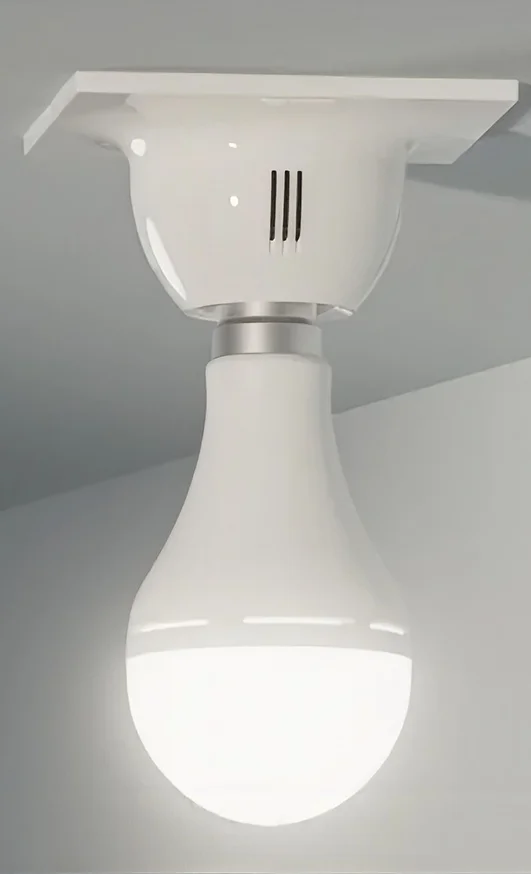
The familiar LED light bulb on a B-22 holder, plus night lamps and inverter lamps for power cuts.
Colour is where most people slip up. LED light colour is measured on the Kelvin scale, and getting it right changes a room more than any lamp shade. Warm white sits near 3000K and feels soft and golden. Neutral white around 4000K is clean and balanced. Cool white near 6000K is crisp and close to daylight. The same light in the wrong tone can make a restful bedroom feel like an office, so the LED light colour deserves as much thought as the fitting itself.
As a rule, warm white suits bedrooms, living rooms and dining spaces where you unwind. A warm white LED light flatters skin, wood and fabric, which is why designers use warm light LED tones for evenings and decor. Cool white belongs in kitchens, bathrooms and study areas where you want to stay sharp. Many Fybros fittings carry a 3-in-1 option that flips between warm and cool light on a small switch, so one fitting can serve a whole day. A certified warm white LED light or a cool one gives off no UV, which keeps quality LED safe for the rooms you live in.
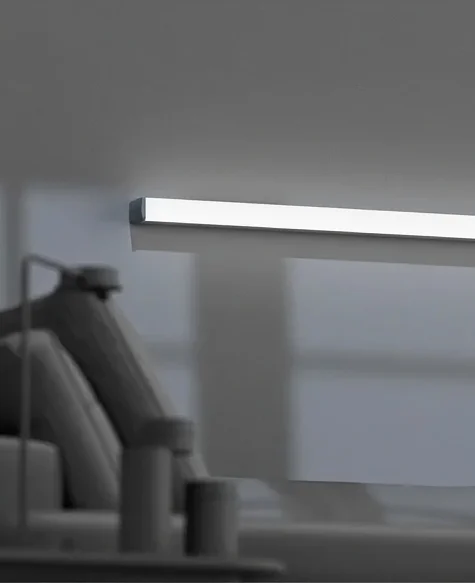
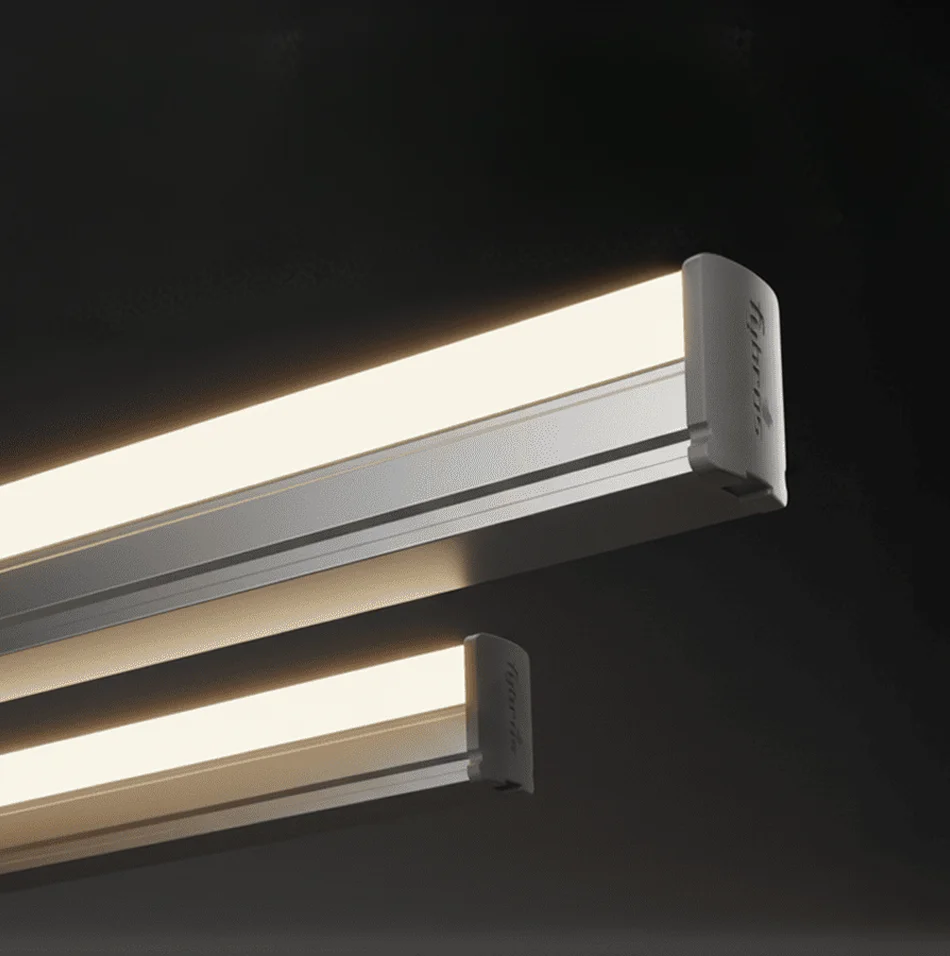
Old habits linger, so buyers still shop by watts. That logic breaks with LED, because a modern LED fitting makes far more light per watt than the bulb it replaces. The question that comes up most is how many watts for bedroom LED light, and the honest answer depends on the size of the room and the look you want, not one fixed number.
As a starting point, a small bedroom feels right with a single 15W to 22W panel, or two 6W to 8W downlights for ambient light, topped up by a bedside lamp. A living room usually wants several downlights or a larger panel working together. A kitchen or study does better with brighter, cooler light over the work surface. The trick is to think in layers and let each fitting do one clear job.
The real skill is matching the fitting to the room. The same category adapts beautifully as you move through a home, and lighting each room of a home comes down to layering ambient, task and accent light rather than hanging one bright fixture in the middle. Good home lighting is judged by how well those layers work together.
In the living room, recessed downlights or a central panel give the base light, a spotlight LED lifts a feature wall, and a hidden LED strip light warms a false-ceiling cove. Bedrooms want softer warm white and a bedside lamp for calm. Kitchens need brighter cool white over the counter for safe work. Bathrooms call for moisture-rated fittings and a good mirror light. Outdoors, wall, gate and flood fittings handle safety and welcome. When people chase the best LED lights for home, this layered mix is what they really need, not a single miracle product.
This is where the big question, which LED is best for home, finally has an answer. The best choice fits the room, the ceiling and the look you want. A slim panel for a flat false ceiling is ideal, a surface LED light works where you cannot recess, and a downlight suits a plastered ceiling with a gap above. The phrase best LED lights almost always means the right fitting for the space rather than the brightest box on the shelf, and sensible home lighting planning starts right there.
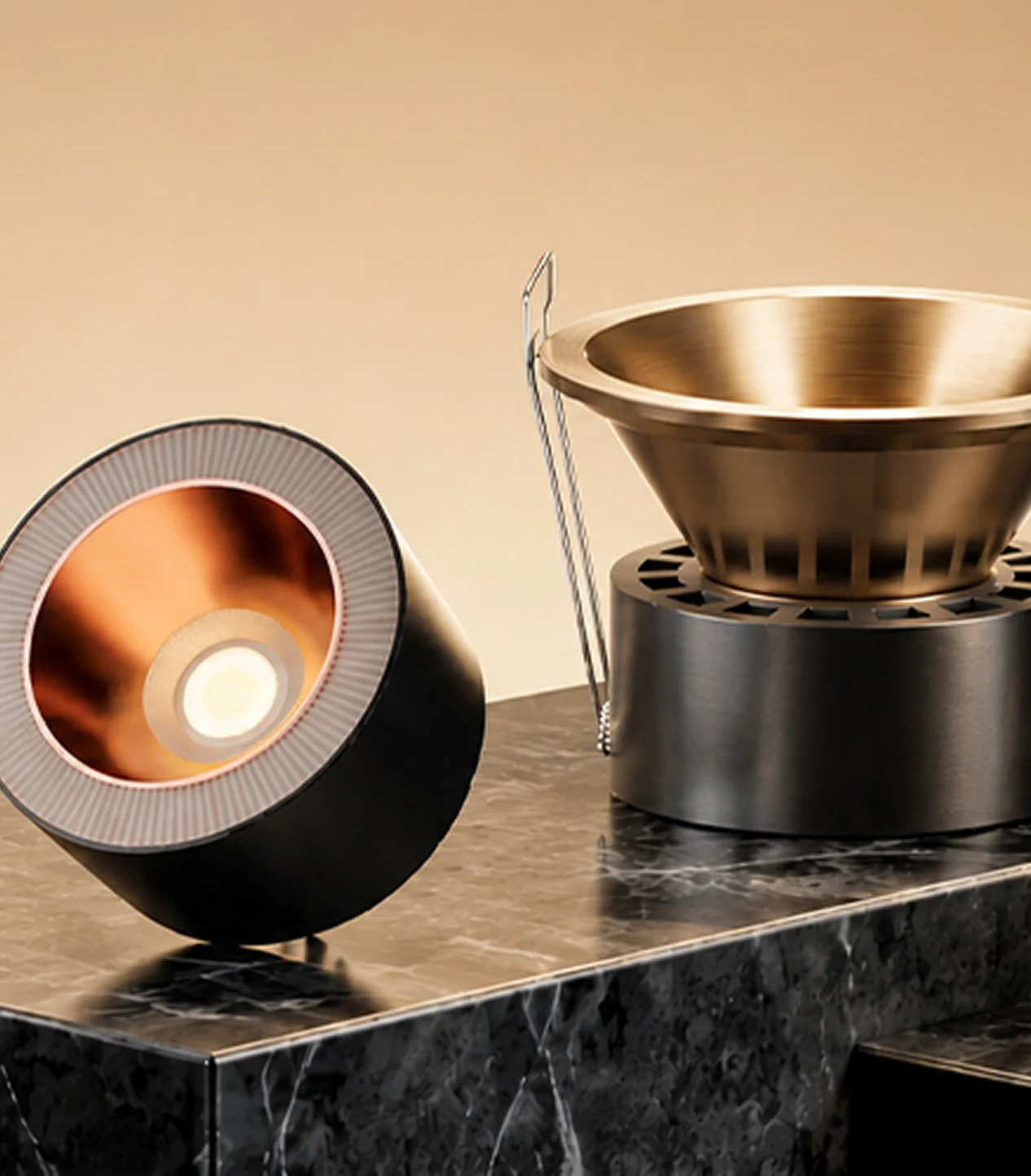
A simple way to plan is by the job each light does. For broad ceiling light, reach for panels and recessed downlights. For highlighting and accent lighting, use spotlights and track fittings. For a garden, driveway or facade, a bright LED flood light does the heavy lifting, sized to the area. For a soft decorative glow, strips and rope lights are the answer, and for a crisp beam over a table or artwork, a COB LED light downlight is hard to beat.
Budget follows format and wattage, from a small night lamp to a high-power outdoor fitting. The LED light price swings widely across the range, so it pays to plan by category before you shop. A realistic LED light price depends on the wattage, the body and the chip inside, and knowing what LED lighting costs across panels, downlights, strips and floods saves nasty surprises when you light a whole home at once.
Lighting does not stop at the front door. The same technology scales up to protect and present a whole building. Around a home, wall and gate fittings light the entrance, and lighting a large outdoor area like a driveway or boundary is the job of a well-aimed LED flood light, so nothing sits in shadow after dark. Higher up the scale, a road or campus leans on the rugged LED street light, sealed against rain and dust to keep public spaces safe through the night.
Shops, offices and factories ask for more again. Retail uses crisp spotlights and track fittings to make products stand out, offices use even panel light for comfortable all-day work, and a warehouse trusts powerful high-bay fittings mounted far overhead. From a bedside lamp to a 500W LED flood light, one family of technology now covers every setting a person moves through in a day. Choosing the right output and a weatherproof body, marked by its IP rating, is what separates lighting that lasts from lighting that fails in the first monsoon. A good LED street light earns its keep for years.
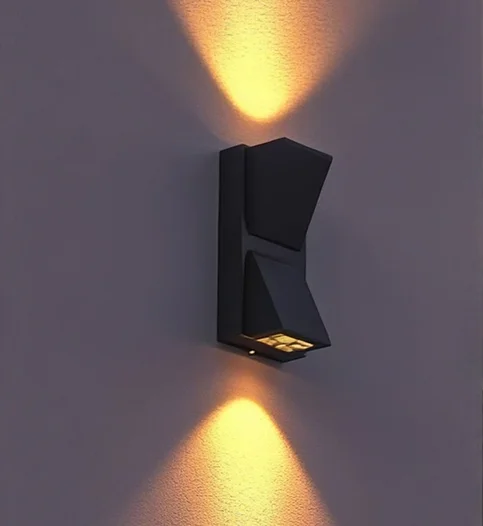
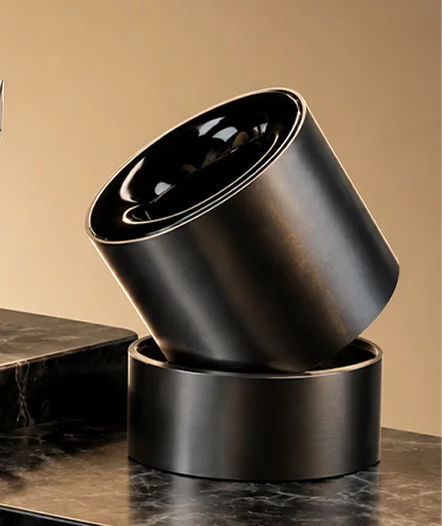
Choosing lighting is easier with a maker that covers the whole home under one name. Fybros is a smart electrical brand with fifty years of trust, and its lighting range runs from COB downlights and spotlights to surface lights, track lights, panels, decorative strips, flood lights, street lights, high-bay fittings, outdoor wall and gate lights, mirror lights and LED bulbs. Every LED light in the range is built to Indian standards, offered in warm, neutral and cool tones, and made without UV emission for safer daily use.
That breadth matters, because a real home needs many formats working together. One brand keeps the quality of light consistent from the bedroom cove to the boundary wall, and gives you a genuine product to match almost every requirement on this page.
An LED light is built around a light-emitting diode, which makes it efficient, cool-running and far longer-lasting than tube lights or filament bulbs.
Pick the format by the job. Panels and downlights for ceilings, spotlights for accents, strips for decor, floods and street fittings for outdoors.
Match colour to the room. Warm white for bedrooms and living areas, cool white for kitchens, bathrooms and study desks.
Think in output and layers rather than one big fitting, and plan lighting space by space.
A full-range brand like Fybros lets you light a whole home to one consistent quality.
See the full Fybros lighting range, from panels and downlights to strips, floods and outdoor fittings, and choose the LED light that suits each room. Visit fybros.com or talk to your nearest Fybros dealer to plan a home that looks as good as it feels.

 Fans
Fans
 Switches & Accessories
 Led Lighting
 Wires & Cables
 Switchgear